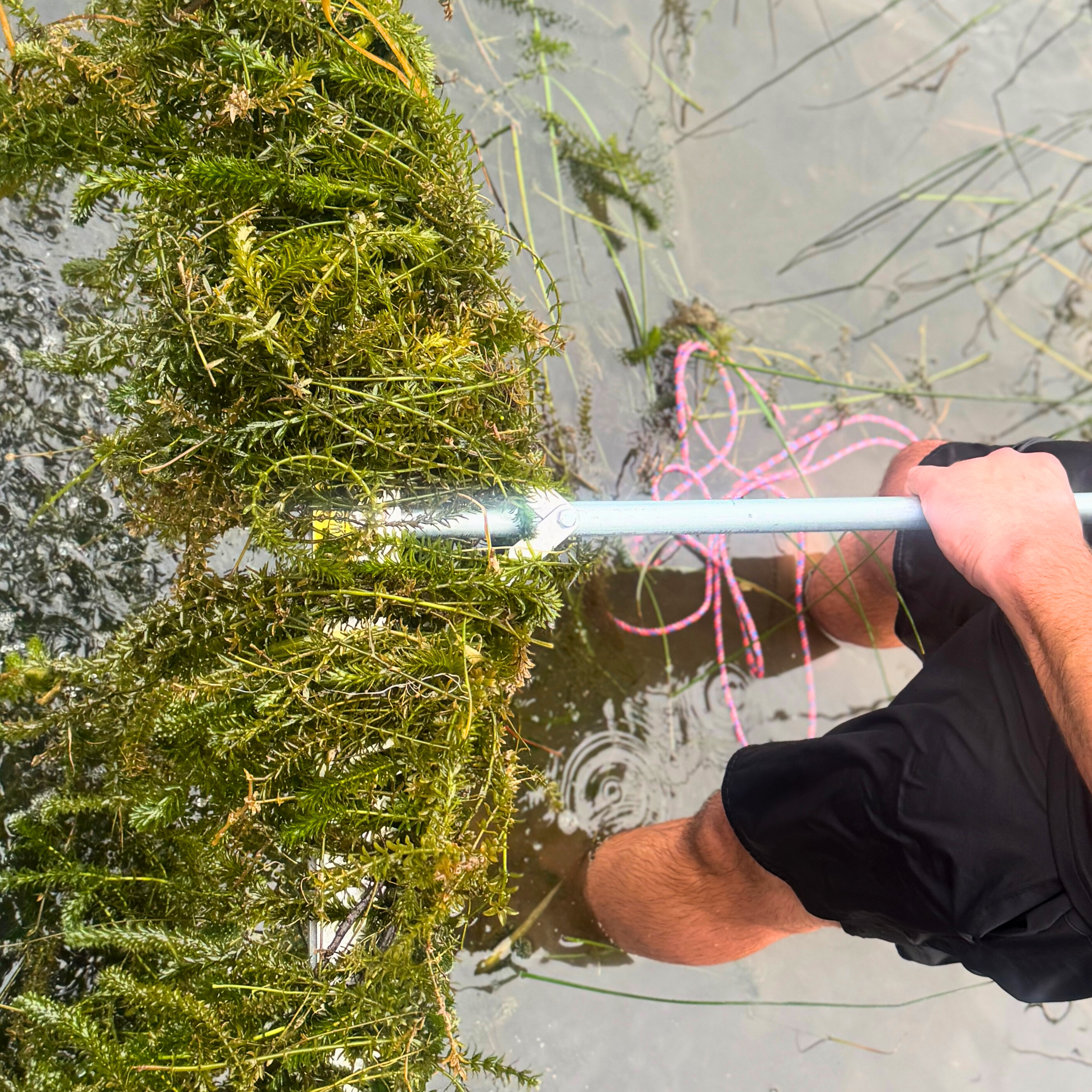
In the summer of 2023, as I stood on the shores of Lake Austin watching families struggle to enjoy what should have been pristine swimming waters, I was reminded of a fundamental truth about leadership and problem-solving: the challenges we face today are often the result of decisions made decades ago, and the solutions we choose now will determine the experiences of generations to come.
The story of hydrilla in Central Texas is, in many ways, a microcosm of how we as a society respond to environmental challenges. It's a story of unintended consequences, delayed action, and the ongoing struggle between human recreation and ecological balance. But it's also a story of hope, innovation, and the power of informed, persistent action to create meaningful change.
The Arrival of an Unwelcome Guest
Let me be clear from the outset: hydrilla didn't choose to come to Texas. Like so many invasive species that now challenge our ecosystems, *Hydrilla verticillata* arrived through human activity. According to research from Texas A&M University's aquatic plant management program, this aggressive aquatic plant was likely introduced to Texas waters through the aquarium trade and recreational boating activities in the 1980s and 1990s.
The plant itself is, from a purely biological standpoint, remarkable. As detailed in the comprehensive study published in the Southeastern Association of Fish and Wildlife Agencies journal, hydrilla possesses an almost supernatural ability to reproduce and spread. A single plant fragment can establish an entire colony. One tuber—the underground storage structure that allows the plant to survive harsh conditions—can produce over 6,000 new tubers per square meter in a single growing season.
But remarkable biological success, when it occurs outside its native ecosystem, becomes an ecological disaster. And that's precisely what happened in the Highland Lakes.
The Perfect Storm: Why Central Texas Lakes Became Hydrilla Havens
To understand why hydrilla has thrived so dramatically in our region, we must first understand the conditions that make a lake susceptible to invasion. The Highland Lakes, including Lake Austin, possess several characteristics that create what scientists call "optimal hydrilla habitat."
First, there's the matter of water clarity. The Lower Colorado River Authority's management of water levels and flow has, over the decades, created relatively clear water conditions in many areas of our lakes. While clear water is certainly more appealing for swimming and recreation, it also allows sunlight to penetrate deeper into the water column, enabling hydrilla to establish itself at depths where native plants struggle to compete.
Second, our lakes have experienced what researchers term "nutrient loading"—the accumulation of nitrogen and phosphorus from urban runoff, agricultural activities, and residential development around the lake shores. These nutrients act as fertilizer for aquatic plants, and hydrilla, with its aggressive growth patterns, is particularly adept at capitalizing on these enriched conditions.
Third, and perhaps most significantly, our lakes lack the natural predators and environmental controls that keep hydrilla in check in its native range. In its home waters of Asia and Australia, hydrilla faces a complex web of herbivorous fish, insects, and plant diseases that limit its growth. In Texas, it encounters few such natural limitations.
Management Approaches: What Works, What Doesn't, and Why
Over the past three decades, various approaches to **Lake Austin hydrilla management** have been attempted with varying degrees of success. Understanding these efforts—their achievements and limitations—is crucial for property owners seeking effective solutions.
#
Manual Removal: The Precision Approach
This brings us to what I believe represents the most effective approach for property-scale **Lake Austin hydrilla control**: precision manual removal. This method, which forms the foundation of **Captain Home Services**' approach to **Austin lake weed removal**, involves the careful, targeted extraction of hydrilla plants using specialized tools and techniques.
The key advantage of manual removal lies in its precision. Rather than treating large areas indiscriminately, manual removal allows for the selective targeting of hydrilla while preserving beneficial native vegetation. This approach recognizes that not all aquatic plants are problematic—indeed, native plants play crucial roles in maintaining healthy lake ecosystems.
Manual removal also addresses one of the fundamental weaknesses of other control methods: the tendency to leave behind plant fragments and root systems that can regenerate new infestations. When properly executed, manual removal extracts the entire plant, including the tuber system that enables hydrilla's remarkable regenerative capacity.
The Captain Home Services Approach: Precision, Compliance, and Results
At **Captain Home Services**, our approach to **Austin lake weed removal** reflects the lessons learned from decades of hydrilla management efforts across the Highland Lakes. We recognize that effective hydrilla control requires precision, environmental responsibility, and strict compliance with regulatory requirements.
Our manual removal techniques are designed to extract entire hydrilla plants, including the tuber systems that enable rapid regrowth. We use specialized tools and techniques that minimize disturbance to beneficial native vegetation and lake bottom sediments. All of our work is conducted under appropriate TPWD and LCRA permits, ensuring full compliance with state and local regulations.
But our approach goes beyond simply removing unwanted vegetation. We work with property owners to develop long-term management strategies that reduce the likelihood of future hydrilla infestations. This includes recommendations for shoreline management, boat cleaning protocols, and monitoring techniques that can help detect new infestations before they become established.
---
*For more information about professional Lake Austin hydrilla management and to schedule a consultation, visit austinlakemanagement.com or call (737) 300-9033.*
---
Related Reading
- Lake Austin Weeds: Complete Hub Guide — full overview of what grows in Lake Austin, removal options, and contractor hiring checklist - Lake Austin Hydrilla & Filamentous Algae: Spring 2025 Guide — the spring algae complication explained - Understanding Hydrilla: The Most Invasive Aquatic Weed in Austin Lakes - The Benefits of Manual Aquatic Weed Removal - Navigating Permitting for Aquatic Vegetation Removal in Texas