Benthic Barriers: The Complete Guide to Effective Lake Bottom Weed Control
If you're battling persistent aquatic weeds like hydrilla in your Austin lakefront property, you've likely researched countless control methods. While herbicides, mechanical harvesting, and biological controls each have their place, one method stands out for its safety, effectiveness, and long-term results: benthic barriers.
What Are Benthic Barriers?
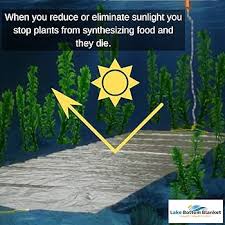
Benthic barriers—also called lake mats or lake bottom blankets—are heavy-duty, gas-permeable fabric mats that are placed directly on the lake bottom. They work on a simple but powerful principle: block sunlight, prevent plant growth.
These barriers are typically made from nonwoven polypropylene or similar synthetic materials that are:
- Gas-permeable: Allow oxygen and beneficial gases to pass through, maintaining healthy lake ecology
- UV-resistant: Designed to withstand years of underwater exposure
- Weighted properly: Use the "snowshoe" principle to distribute weight evenly without sinking into sediment
- Environmentally safe: Contain no chemicals or toxins that could harm aquatic life
How Do Benthic Barriers Work?
The science behind benthic barriers is straightforward. Aquatic plants, like all plants, require sunlight for photosynthesis. By blocking light from reaching the lake bottom, benthic barriers create an environment where plants simply cannot survive.
Here's what happens when a barrier is installed:
- Immediate Effect: Existing vegetation beneath the mat begins to die within weeks due to lack of sunlight
- Prevention: New plant growth cannot establish because seeds and root fragments lack the light needed for germination
- Maintained Clarity: The water above the barrier remains clear and weed-free indefinitely, as long as the barrier stays in place
- Ecosystem Balance: Beneficial microorganisms, insects, and fish can still access the area because the material is gas-permeable
Research-Backed Safety
According to Cornell Cooperative Extension's research on aquatic invasive species management, benthic barriers are considered "one of the safest and least detrimental" management methods for controlling invasive aquatic weeds like hydrilla.
Effectiveness: What the Research Shows
Success Rates
When properly installed and maintained, benthic barriers achieve:
- 90-100% weed control in covered areas
- Immediate results: Clear water within 2-4 weeks of installation
- Long-term effectiveness: 3-5+ years with proper maintenance
- No chemical residues: Zero environmental contamination
Best Applications
Benthic barriers work exceptionally well for:
- Swimming areas and beaches
- Boat launch zones
- Dock approaches and surrounding areas
- Small to medium-sized lakefront sections
- Areas with persistent hydrilla, milfoil, or native weed problems
The Installation Process
Professional installation is critical for benthic barrier success. Here's what Captain Home Services' proven process looks like:
1Site Assessment
We evaluate your lakefront area to determine lake bottom composition, weed species and density, appropriate barrier size and placement, and permit requirements.
2Pre-Installation Weed Removal
This step is crucial and often overlooked. We manually remove the majority of existing weeds before barrier placement. This reduces bulk beneath the barrier, minimizes decomposition gases, creates a smooth surface, and ensures better contact with the lake bottom.
3Barrier Installation
We use commercial-grade barriers from trusted manufacturers like LakeMat and Lake Bottom Blanket, with precise measurement, proper anchoring systems, edge securing, and multiple overlapping sections for larger areas.
4Maintenance Monitoring
We provide guidance on seasonal inspections, sediment buildup management, edge maintenance, and when to consider barrier adjustment or replacement.
5End-of-Season Removal (Optional)
Some clients prefer seasonal removal to clean accumulated sediment, inspect and clean the mat, allow natural decomposition, and store barriers for the off-season.
Pros and Cons: The Complete Picture
Advantages
- ✓Environmental Safety: No chemicals, safe for swimming and wildlife
- ✓Effectiveness: 90-100% weed control, immediate results
- ✓Long-lasting: 3-5+ years of protection
- ✓Low Maintenance: Minimal ongoing care required
Limitations
- •Higher Upfront Cost: Professional installation investment required
- •Installation Challenges: Requires professional expertise
- •Size Limitations: Best for small to medium areas
- •Sediment Buildup: Requires periodic cleaning
Cost Analysis: Is It Worth It?
Let's compare benthic barriers to other common control methods over a 5-year period:
| Method | 5-Year Cost Structure | Environmental Impact |
|---|---|---|
| Herbicide Treatments (Illegal on Lake Austin) | 10-15+ repeated treatments | Chemical exposure |
| Mechanical Harvesting | 10-20+ repeated harvests | Minimal |
| Benthic Barriers | One-time removal + minimal maintenance | Safest option |
Cost-Effective Winner
Benthic barriers provide the best long-term value while being the most environmentally responsible choice. You remove vegetation once for installation, then only pay minimal maintenance fees—no repeated removal costs ever again.
The Captain Home Services Approach
At Captain Home Services, we don't just drop a mat on your lake bottom and call it done. Our comprehensive approach ensures maximum effectiveness and longevity:
- We remove most weeds first: Our method extracts up to 90% of existing vegetation by the roots before barrier installation
- We use premium materials: Authorized dealers for LakeMat and Lake Bottom Blanket—commercial-grade products designed specifically for the harsh aquatic environment
- We handle all permits: Every installation is fully permitted through TPWD, ensuring compliance and peace of mind
- We provide complete service: From initial assessment through installation, maintenance guidance, and optional seasonal removal
- We focus on your specific needs: Custom solutions for your unique lakefront situation
Best Practices for Long-Term Success
To maximize the effectiveness and lifespan of your benthic barriers:
- Choose the Right Season: Install in early spring (before weed growth peaks) or late summer (after manual removal)
- Remove Weeds First: Never install over thick weed beds—always remove vegetation first
- Secure Properly: Use adequate anchoring and weights to prevent lifting or shifting
- Inspect Regularly: Check edges and corners seasonally for any lifting or sediment buildup
- Clean Periodically: Remove accumulated sediment every 2-3 years to maintain effectiveness
- Monitor Adjacent Areas: Watch for weed growth around barrier edges and adjust as needed
Real-World Results: Austin Lakes
Here in the Austin area, we've seen tremendous success with benthic barriers on Lake Austin, Lake Travis, Lake LBJ, and other Highland Lakes. Properties that struggled with recurring hydrilla infestations for years now enjoy:
- Clear swimming areas throughout the summer season
- Easy dock access for boats without weed fouling
- Reduced maintenance time and costs
- Increased property values
- Peace of mind knowing their waterfront is managed safely — no chemicals, no heavy equipment
Conclusion: The Smart Choice for Lake Weed Control
If you're serious about controlling aquatic weeds on your Austin lakefront property, benthic barriers represent the gold standard in effectiveness, safety, and long-term value. They're not a "quick fix"—they're a comprehensive, professional solution that addresses the root cause of weed problems: sunlight reaching the lake bottom.
When combined with proper pre-installation weed removal and professional installation from Captain Home Services, benthic barriers deliver what every lakefront property owner wants: clear, clean, weed-free water that stays that way year after year.
Ready to Transform Your Lakefront?
Schedule your free consultation and discover how benthic barriers can give you clear, weed-free water for years to come.