If you've searched for Austin sea weed control or wondered about lake weed removal options, you might be surprised how much damage one invasive plant can cause. Hydrilla (Hydrilla verticillata) is one of the most problematic aquatic weeds in lakes and reservoirs across the United States, and Austin-area lakes are no exception. Drawing on research from leading institutions, including LSU AgCenter and the University of Florida's Center for Aquatic and Invasive Plants, here is an in-depth look at hydrilla, how it spreads, why it's so hard to manage, and how lake managers here in Austin can address it.
Quick Navigation
What Is Hydrilla and Where Did It Come From?
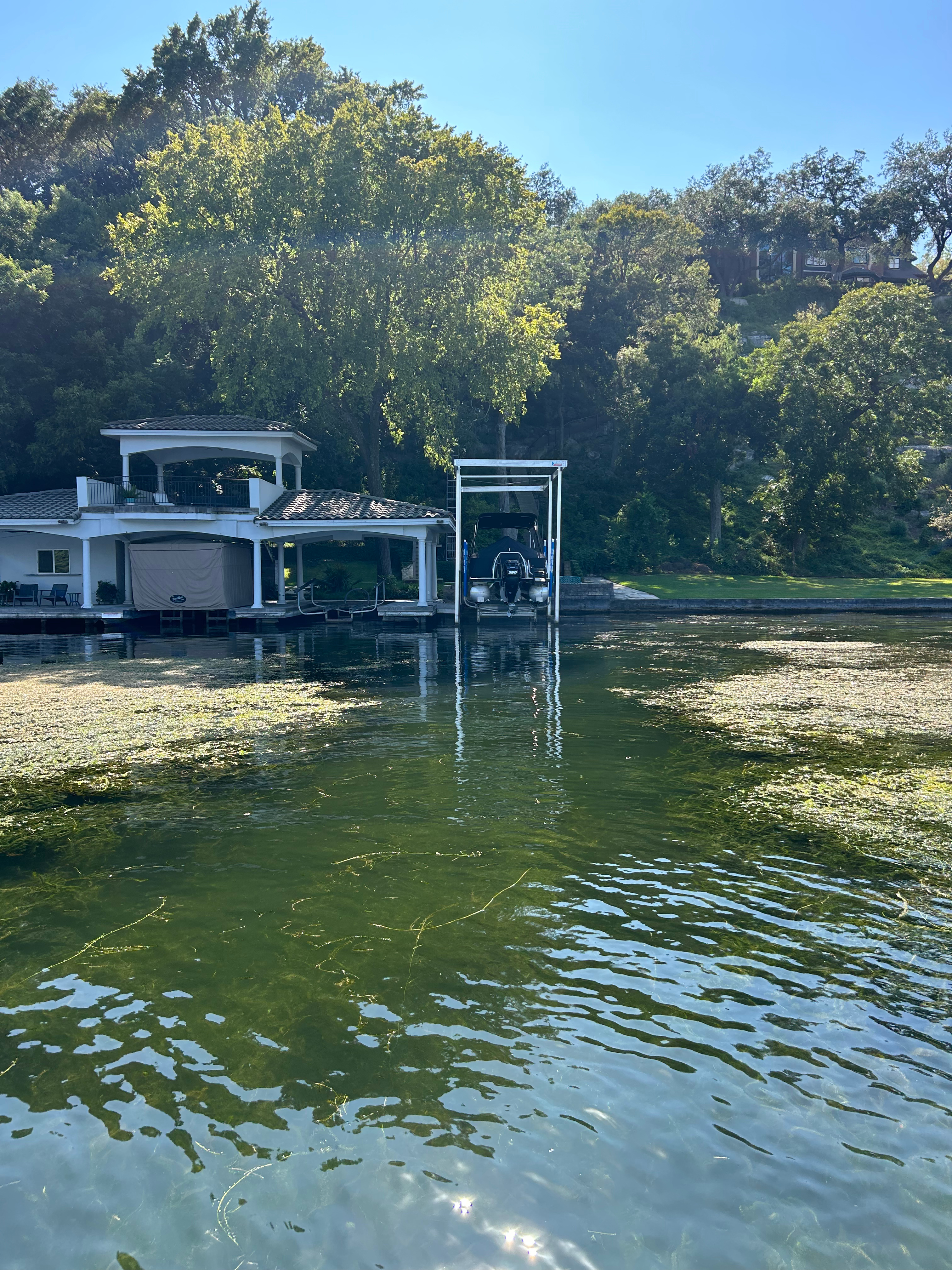
Hydrilla is native to Asia, Australia, and parts of Africa but was introduced to North America as an aquarium plant. Over time, it escaped into natural waterways—reportedly first discovered in Florida in the 1950s—and since then has spread to many states, thriving in a wide variety of water bodies including lakes, ponds, rivers, and canals. 1
According to the University of Florida's Center for Aquatic and Invasive Plants, hydrilla is now considered one of the world's worst aquatic weeds. The plant has established itself in water bodies across the southern United States, including Lake Austin, Lake Travis, and other Highland Lakes. 2
What makes hydrilla such a menace is its ability to take root from fragments, its rapid growth, and its capacity to form dense mats that shade out native plants and interfere with all kinds of aquatic uses. A tiny piece broken off by a boat propeller or trailer can float downstream, take root, and lead to a new infestation.
How Hydrilla Grows and Spreads
Hydrilla is capable of growing in water up to 25 feet deep and in very low light conditions—meaning even in relatively deep parts of a lake, it can thrive. Once established, it grows upward toward the surface and can form thick mats of vegetation that block sunlight, reduce oxygen levels, and outcompete native aquatic plants.
Multiple Reproduction Methods
One of the reasons hydrilla is so difficult to control is its multiple pathways for reproduction:
- Stem Fragments: Small pieces of stems can drift to new areas and develop roots and shoots
- Tubers: Underground storage structures that can survive harsh conditions and produce thousands of new tubers per square meter
- Turions: Overwintering buds that form along the stems and can remain dormant in sediment
This reproductive versatility means that eradicating hydrilla is extremely difficult once it's established. Each reproduction method requires different control strategies, and missing just one can lead to rapid reinfestation.
The Real-World Impact on Austin Lakes
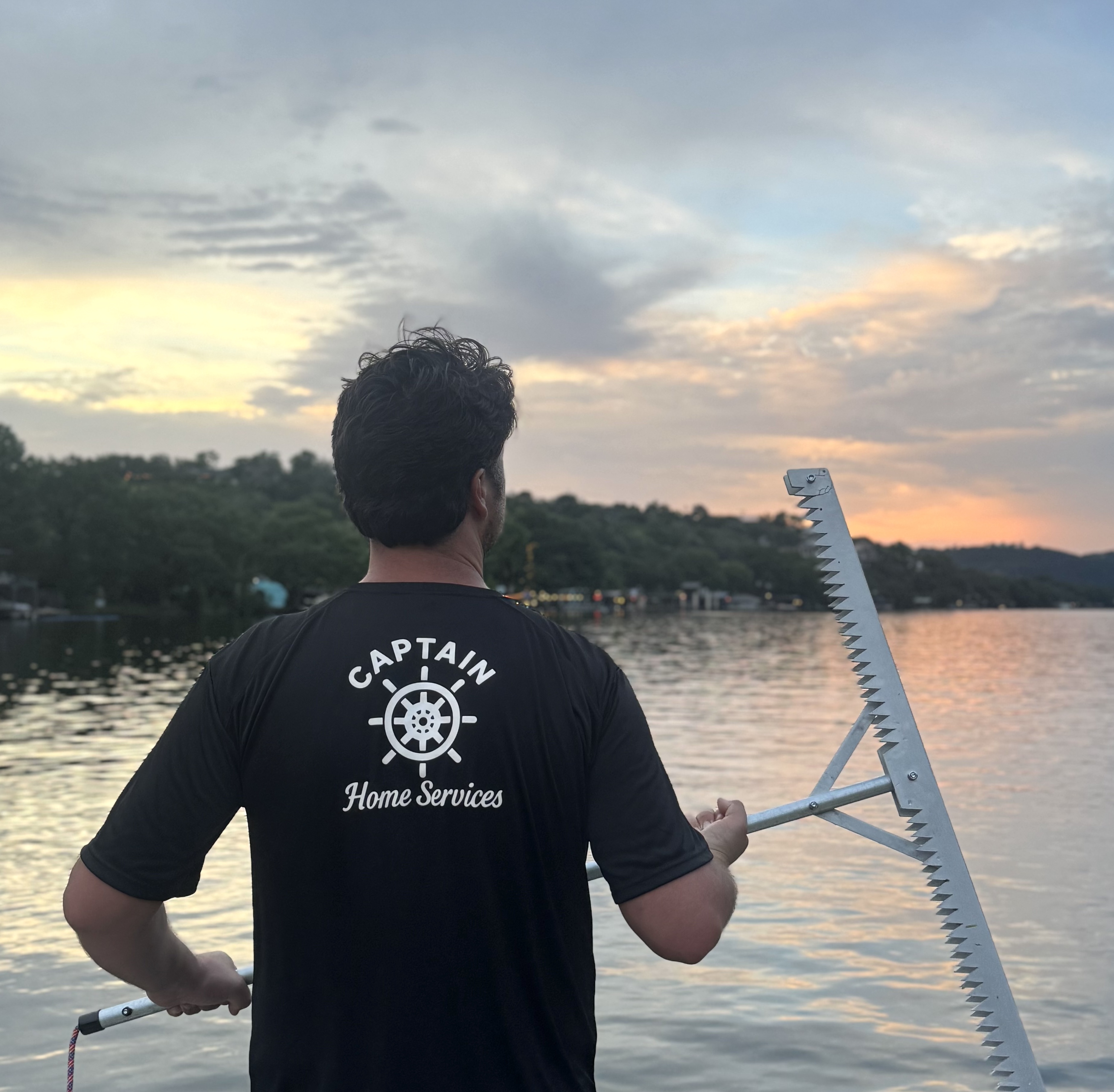
The impacts of hydrilla infestations are many and serious. Dense hydrilla growth restricts boating, swimming, and fishing. It clogs intake pipes, interferes with shoreline aesthetics, lowers property values, and can alter water chemistry. In severe cases, decaying mats consume dissolved oxygen, leading to fish kills.
Safety Concerns
In 2023, KXAN News reported on concerning incidents at Lake Pflugerville, where swimmers experienced entanglement in dense aquatic vegetation. 3 While hydrilla can grow in recreational areas throughout Austin, these incidents highlight the safety risks associated with uncontrolled aquatic vegetation growth.
Safety Warning
Dense hydrilla mats can create entanglement hazards for swimmers and divers. Always assess water conditions before swimming, and avoid areas with visible surface vegetation.
Control Methods: What Works for Austin Lakes
Control of hydrilla typically requires an integrated approach. No single method has proven sufficient to completely eliminate established hydrilla populations, but several approaches can provide effective management.
Mechanical Removal
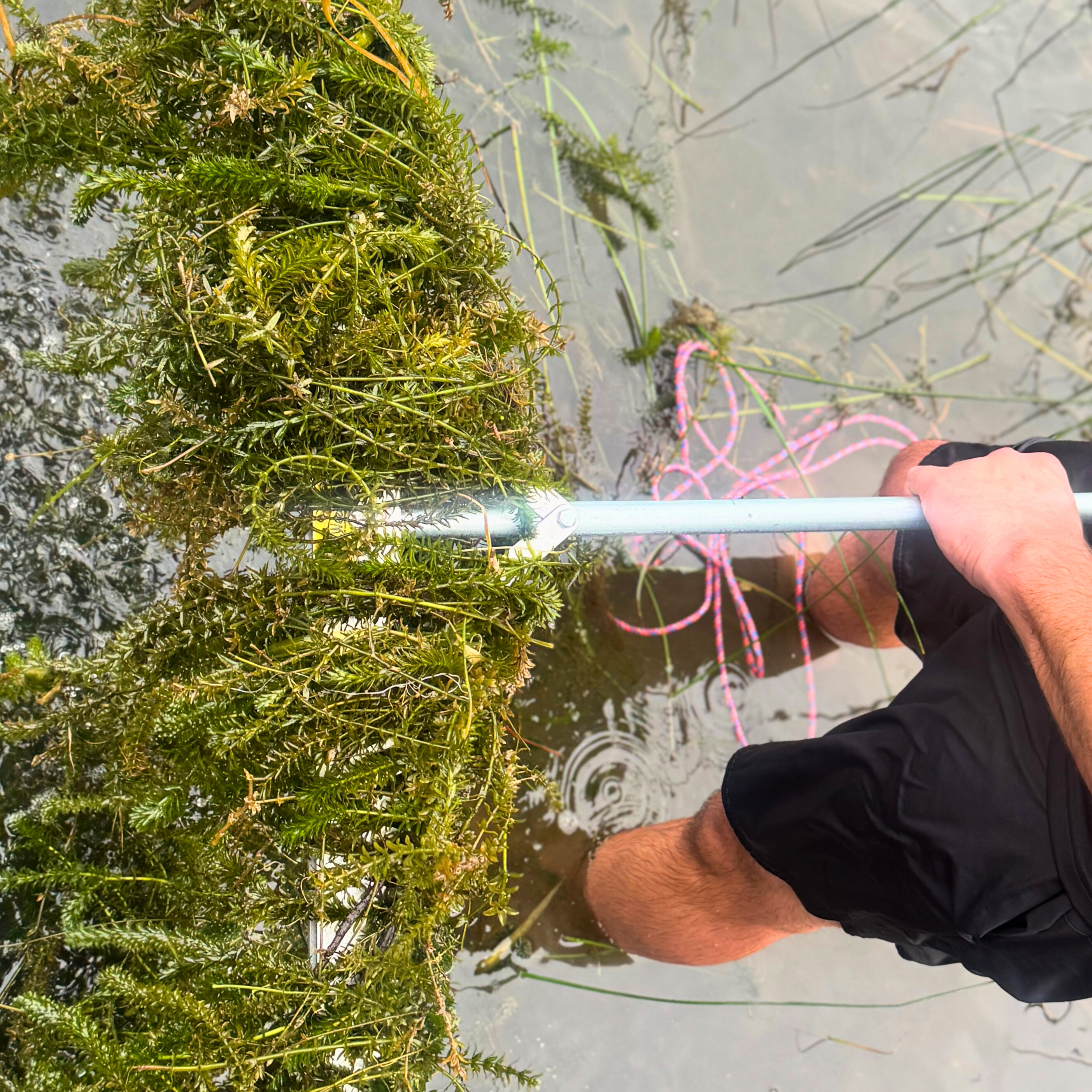
Mechanical removal (cutting or harvesting) can help in small infestations but has risks: cut fragments left behind can contribute to new growth. Large-scale mechanical harvesting equipment is often too cumbersome for residential waterfront areas and can actually spread the problem by creating fragments.
Manual precision removal, however, offers a more targeted approach. By carefully extracting entire plants including root systems and tubers, manual removal minimizes fragmentation while providing immediate, visible results in dock and swimming areas.
Biological Control: Grass Carp

One of the more well-known biological methods is the use of sterile grass carp (triploid grass carp) to graze on aquatic vegetation. Where properly stocked and managed, they can help suppress hydrilla growth. However, grass carp introduction requires special permits from TPWD and is typically only approved for whole-lake management programs, not individual property owners.
Prevention: The Most Important Strategy
Clean, Drain, Dry Protocol
- ✓Clean all visible aquatic plants, animals, and mud from your boat, trailer, and equipment
- ✓Drain water from your boat, motor, livewells, and bilge before leaving the launch area
- ✓Dry your boat and equipment completely before entering another water body
Austin Lake Management Solutions
For Austin lake owners and community associations looking to manage hydrilla or other nuisance austin lake weeds, professional help is essential. At Captain Home Services, we specialize in precision manual lake weed removal that targets invasive species while preserving beneficial native vegetation.
Why Choose Manual Removal
- Precision targeting of problem areas around docks, swimming areas, and boat lifts
- Complete plant extraction including roots and tubers to minimize regrowth
- No chemical introduction into waters where your family swims and plays
- Minimal fragmentation compared to mechanical cutting methods
- Immediate results with cleared areas ready for use right away
Take Action Before It's Too Late
If hydrilla or other austin lake weeds are a concern in your waterfront area, don't wait until the problem gets out of hand. Early intervention is far more effective and affordable than managing established infestations.
References
- Louisiana State University AgCenter. "Hydrilla." LSU AgCenter Publications. https://www.lsuagcenter.com/topics/environment/invasive%20species/hydrilla
- University of Florida, IFAS Center for Aquatic and Invasive Plants. "Hydrilla verticillata." Plant Directory. https://plant-directory.ifas.ufl.edu/plant-directory/hydrilla-verticillata/
- KXAN News Austin. "Dense aquatic vegetation prompts safety concerns at Lake Pflugerville." July 2023. KXAN Article
- Texas Parks and Wildlife Department. "Stop Aquatic Hitchhikers: Clean, Drain, Dry." TPWD Website
Related Topics: austin sea weed, lake weed removal, hydrilla cutting, hydrilla removal, austin grass carp, austin hydrilla control, austin lake weeds, lake weed management, lake management, Lake Austin hydrilla, Lake Travis weed removal, Highland Lakes invasive species, TPWD permits, LCRA compliance